Product Tour
The lifestyle and culture of Indian women in 2026 is defined by a dynamic "constant negotiation" between deep-rooted heritage and modern autonomy. While traditional family structures remain a central pillar, women are increasingly reclaiming their identities through personal expression, sustainable fashion, and economic participation. Culture & Social Dynamics
The lifestyle and culture of Indian women in 2026 are defined by a sophisticated blend of "wearable art," digital empowerment, and a holistic approach to wellness . While deeply rooted in heritage, the modern Indian woman is increasingly reclaiming her identity through minimalist fashion, technology-driven careers, and a redefined focus on personalized health. 1. Fashion: The Era of "Fusion Fluidity" Traditional silhouettes are evolving into practical, high-fashion crossovers that transition seamlessly from work to celebrations. Minimalism & "Quiet Luxury": Heavy embroidery is being replaced by clean lines, earthy tones , and subtle detailing. Brands like Anita Dongre’s Grassroot focus on sustainable, handcrafted luxury that feels graceful rather than "loud". The Pre-Stitched Revolution: Convenience is king. Pre-draped sarees with belts pant-style drapes are staples for working women who want the elegance of a saree without the complexity. Contemporary "Uniforms": Short, embroidered kurtas paired with wide-leg denim or high-waisted "Farshi" salwars are the new casual standards. Sustainable Roots: Over 60% of women now prioritize ethical production and fabrics like organic cotton and handloom silks. 2. Lifestyle: Holistic Wellness & Digital Shifts The conversation has shifted from "looking good" to "metabolic beauty" and intentional living. Fashion in India 2026 Trends Every Designer Should Know
Indian women's lifestyle and culture is a vast tapestry of ancient traditions and rapid modern evolution. It is defined by a unique balance between deep-rooted family values and a growing drive for individual identity and economic independence. 🎭 Cultural Identity and Values Culture in India is deeply communal and varies significantly by region, religion, and caste. Family Centricity: The family unit remains the core of life. Decisions often involve elders and extended relatives. Respect for Tradition: Concepts like (duty) and (service) are often internalized from a young age. Religion and Rituals: Daily life is frequently punctuated by prayers, fasts ( ), and the celebration of numerous festivals like Diwali or Eid. 👗 Diversity in Fashion Indian attire is a visual representation of the country's geographic and cultural diversity. The Saree: A timeless symbol of grace, draped differently in every state (e.g., Nauvari in Maharashtra vs. Mekhela Chador in Assam). Salwar Kameez: A staple for daily comfort and modesty, popular across all generations. Indo-Western Fusion: Modern women frequently pair traditional elements, like jhumkas (earrings), with jeans or blazers. 🎓 Education and Career Shifts The landscape for Indian women has shifted dramatically in the last few decades. Academic Excellence: Women are increasingly outperforming men in higher education and entering STEM fields. Corporate Leadership: India has seen a rise in female CEOs and entrepreneurs, particularly in the tech and banking sectors. Rural Empowerment: Self-help groups and government initiatives are fostering financial literacy and independence in villages. 🥘 Culinary Traditions Food is the primary "love language" in Indian households. Regional Flavors: Lifestyle is reflected in the diet—from the coconut-rich dishes of the South to the wheat-based meals of the North. Modern Habits: While traditional home-cooked meals remain the gold standard, urban lifestyles have introduced a rise in health-conscious "superfoods" and global cuisines. ⚖️ The Modern Struggle: The "Double Burden" Despite progress, Indian women navigate complex societal expectations. Work-Life Balance: Many women manage professional roles while remaining the primary caregivers at home. Social Evolution: While urban areas see more progressive dating and marriage trends, arranged marriages and traditional gender roles still prevail in many regions. Digital Literacy: The "Digital India" movement has empowered women with mobile access, connecting them to global trends and online marketplaces. To help me tailor this write-up for your specific needs, could you tell me: What is the target audience for this piece (e.g., a travel blog, a sociology paper, or a business report)? specific region (e.g., Urban Mumbai vs. Rural Rajasthan)? Should the tone be more celebratory critically analytical regarding social issues? I can expand on any of these sections once I know your intended goal
The Evolving Tapestry: The Lifestyle and Culture of Indian Women The life of an Indian woman is a study in duality. She is the keeper of ancient traditions while simultaneously steering the ship of modern change. From the snow-capped Himalayas to the tropical backwaters of Kerala, her lifestyle is not a monolith but a vibrant mosaic shaped by region, religion, class, and rapidly shifting economic realities. Today, the Indian woman lives between two worlds: the Grih Lakshmi (the goddess of the home) and the ambitious CEO, the dutiful daughter and the free-spirited traveler. 1. The Cultural Bedrock: Family and Faith At the heart of an Indian woman’s culture lies the joint family system, though it is slowly morphing into nuclear setups. Respect for elders, filial piety, and the concept of "Izzat" (family honor) still heavily influence her decisions—from career choices to marriage. wwwkerala aunty open air bathing videos peperonitycom free
Festivals: Her calendar is cyclical. She leads the rituals of Karva Chauth (fasting for her husband), Durga Puja (celebrating the divine feminine), and Diwali (cleaning and lighting the home). These are not just religious duties; they are social lifelines. The Sari & Salwar: While Western jeans and tops are ubiquitous in cities like Mumbai and Delhi, the Sari (six yards of unstitched elegance) and the Salwar Kameez remain the national uniform of grace, worn daily in small towns and for ceremonies in metros.
2. The Modern Metamorphosis: Career and Education The biggest shift in the last two decades has been education. Indian parents, regardless of income, increasingly prioritize the girl child’s education.
The Working Woman: She is no longer confined to teaching or nursing. Today, she leads space missions (ISRO), runs banks, commands army regiments, and codes for Silicon Valley. However, she still carries the "Second Shift"—coming home to domestic chores even after a 10-hour workday. Entrepreneurship: From selling pickles on Instagram to founding unicorn startups (like Falguni Nayar of Nykaa), the Indian woman is a natural entrepreneur, often balancing her venture with her household Kirana (grocery list). The lifestyle and culture of Indian women in
3. Marriage: From Compulsion to Choice Arranged marriage is still the norm, but its definition has changed.
Then vs. Now: A generation ago, a woman "joined" her husband’s family. Now, urban couples marry as "equal partners." "Love Arranged Marriages" (meeting via dating apps but with family consent) are on the rise. The Delay: The average age of marriage has risen from 18 to over 22 in rural areas and 28+ in urban centers. Many women are choosing to be single or opting for "Live-in" relationships, a concept once taboo but now legally recognized.
4. Wellness and Self-Care: A Cultural Shift The concept of mental health is finally shedding its stigma. While deeply rooted in heritage, the modern Indian
Traditional Roots: Ayurveda and Yoga are experiencing a revival. The modern Indian woman understands that turmeric lattes and Surya Namaskar are not just fads but ancestral science. Breaking the Silence: Women are openly discussing postpartum depression, menstrual health (fighting the stigma of Chhaupadi ), and therapy. Apps like "Mfine" and "Cult.fit" have made wellness accessible.
5. The Digital Sashakt (Empowerment) The smartphone has been the great equalizer for Indian women.


We’re helping The Doctors Company keep your doctor focused on cures by simplifying private communications.
Read More
We’re helping Tracy-Driscoll & Co. serve its clients faster, empowering staff with the best tech essentials for the business of insurance.
Read More
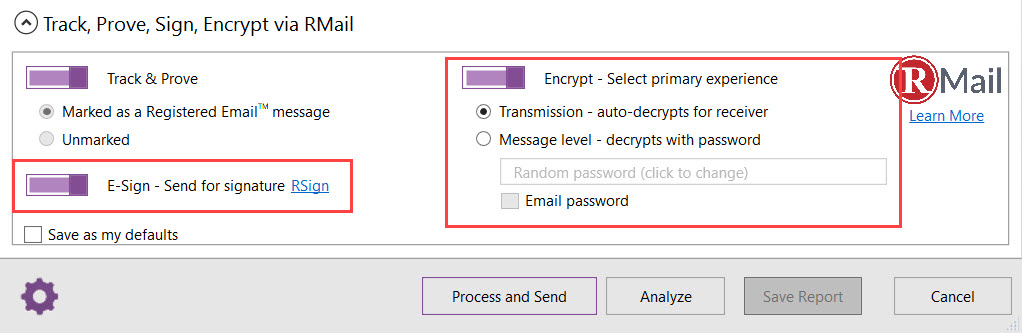
cleanDocs 2.7 or later
RMail for Outlook “D” version
English, other languages may be available.
Danish, Dutch, English, French, German, Italian, Latvian, Lithuanian, Polish, Portuguese, Spanish.
| Operating System | Any |
| Microsoft Office | Outlook or Office 365 Outlook full desktop installation for PC |
| RMail Version | RMail for Outlook Desktop (special version with “D” in the version number) |
| Deployment | Single user, user group or company-wide deployment |
| Updates | Automatic upgrades |
| Requirements | Valid Microsoft email account |
| Licensing | RMail license, per user, shared group of users, or usage-based with the cleanDocs option, or separate RMail and cleanDocs licenses. |
| “Send Registered” Button location | Within the cleanDocs normal send menu. |


